



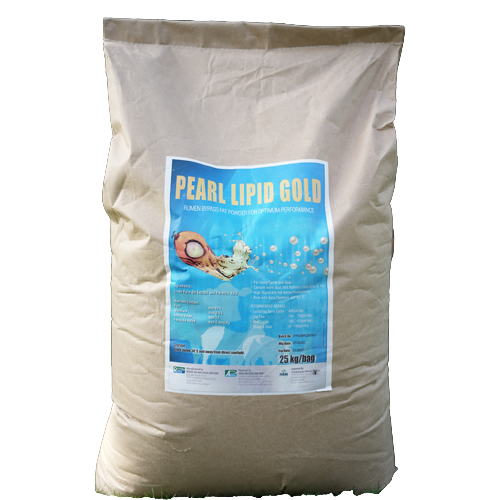
In Stock
Vitamin Premisis
Rs 0.00
Price per unit
In Stock
• 4998 units available
Description
The primary vitamin premises for the nutrition of adult dairy and beef bulls focus on supplementing fat-soluble vitamins A, D, and E. B vitamins and vitamin K are typically synthesized in adequate quantities by the microorganisms in a healthy, fully functional rumen.
Essential Fat-Soluble Vitamins
Vitamin A: This is often considered the most important vitamin for supplementation.
Function: Essential for vision, immune function, reproduction, bone development, and maintaining the integrity of the skin and mucosal linings of the respiratory, digestive, and reproductive tracts.
Source/Considerations: Animals get vitamin A from the beta-carotene in green and yellow plants; however, carotene levels decrease significantly in stored feeds like hay and silage. High-grain rations and stress conditions also increase the need for supplementation.
Vitamin D: This vitamin aids in the absorption and metabolism of calcium and phosphorus, which are crucial for strong bones.
Source/Considerations: Cattle exposed to adequate direct sunlight synthesize enough vitamin D in their skin. For confined animals or those housed indoors, dietary supplementation is necessary.
Vitamin E: This acts as a powerful antioxidant and is linked to immune function, muscle health (preventing white-muscle disease in calves), and potentially reproductive performance.
Source/Considerations: Fresh forages are good sources, but vitamin E levels decline in stored feeds, especially silages. There is a close relationship between vitamin E and the trace mineral selenium.
B Vitamins and Vitamin K
B Vitamins (Thiamin, Biotin, B12, etc.): These are typically synthesized in sufficient amounts by the rumen bacteria. Supplementation is generally not required unless specific conditions (like a cobalt deficiency, which impacts B12 synthesis, or high-sulfur diets causing thiamin deficiency) interfere with rumen function. Biotin supplementation is sometimes used in dairy cattle for improved hoof health.
Vitamin K: Rumen bacteria also synthesize adequate vitamin K, which is essential for blood clotting. The main exception is when cattle consume moldy sweet clover hay, which contains an antagonist (dicumarol) that interferes with vitamin K function.
Practical Application
To ensure optimal health and reproductive performance, especially in breeding bulls, vitamins A, D, and E are routinely added to mineral mixes or complete rations, as it is difficult to guarantee adequate intake from forage alone, particularly in confinement or winter feeding scenarios.
Producers should consult with a nutritionist or veterinarian to balance rations appropriately, as specific requirements vary based on the animal's age, physiological state (e.g., lactation, growth), and feed type. Mineral tags should also be examined to ensure proper trace mineral levels, as minerals and vitamins work in concert for optimal health.
Essential Fat-Soluble Vitamins
Vitamin A: This is often considered the most important vitamin for supplementation.
Function: Essential for vision, immune function, reproduction, bone development, and maintaining the integrity of the skin and mucosal linings of the respiratory, digestive, and reproductive tracts.
Source/Considerations: Animals get vitamin A from the beta-carotene in green and yellow plants; however, carotene levels decrease significantly in stored feeds like hay and silage. High-grain rations and stress conditions also increase the need for supplementation.
Vitamin D: This vitamin aids in the absorption and metabolism of calcium and phosphorus, which are crucial for strong bones.
Source/Considerations: Cattle exposed to adequate direct sunlight synthesize enough vitamin D in their skin. For confined animals or those housed indoors, dietary supplementation is necessary.
Vitamin E: This acts as a powerful antioxidant and is linked to immune function, muscle health (preventing white-muscle disease in calves), and potentially reproductive performance.
Source/Considerations: Fresh forages are good sources, but vitamin E levels decline in stored feeds, especially silages. There is a close relationship between vitamin E and the trace mineral selenium.
B Vitamins and Vitamin K
B Vitamins (Thiamin, Biotin, B12, etc.): These are typically synthesized in sufficient amounts by the rumen bacteria. Supplementation is generally not required unless specific conditions (like a cobalt deficiency, which impacts B12 synthesis, or high-sulfur diets causing thiamin deficiency) interfere with rumen function. Biotin supplementation is sometimes used in dairy cattle for improved hoof health.
Vitamin K: Rumen bacteria also synthesize adequate vitamin K, which is essential for blood clotting. The main exception is when cattle consume moldy sweet clover hay, which contains an antagonist (dicumarol) that interferes with vitamin K function.
Practical Application
To ensure optimal health and reproductive performance, especially in breeding bulls, vitamins A, D, and E are routinely added to mineral mixes or complete rations, as it is difficult to guarantee adequate intake from forage alone, particularly in confinement or winter feeding scenarios.
Producers should consult with a nutritionist or veterinarian to balance rations appropriately, as specific requirements vary based on the animal's age, physiological state (e.g., lactation, growth), and feed type. Mineral tags should also be examined to ensure proper trace mineral levels, as minerals and vitamins work in concert for optimal health.
Added On
December 16, 2025
Product Description
The primary vitamin premises for the nutrition of adult dairy and beef bulls focus on supplementing fat-soluble vitamins A, D, and E. B vitamins and vitamin K are typically synthesized in adequate quantities by the microorganisms in a healthy, fully functional rumen.
Essential Fat-Soluble Vitamins
Vitamin A: This is often considered the most important vitamin for supplementation.
Function: Essential for vision, immune function, reproduction, bone development, and maintaining the integrity of the skin and mucosal linings of the respiratory, digestive, and reproductive tracts.
Source/Considerations: Animals get vitamin A from the beta-carotene in green and yellow plants; however, carotene levels decrease significantly in stored feeds like hay and silage. High-grain rations and stress conditions also increase the need for supplementation.
Vitamin D: This vitamin aids in the absorption and metabolism of calcium and phosphorus, which are crucial for strong bones.
Source/Considerations: Cattle exposed to adequate direct sunlight synthesize enough vitamin D in their skin. For confined animals or those housed indoors, dietary supplementation is necessary.
Vitamin E: This acts as a powerful antioxidant and is linked to immune function, muscle health (preventing white-muscle disease in calves), and potentially reproductive performance.
Source/Considerations: Fresh forages are good sources, but vitamin E levels decline in stored feeds, especially silages. There is a close relationship between vitamin E and the trace mineral selenium.
B Vitamins and Vitamin K
B Vitamins (Thiamin, Biotin, B12, etc.): These are typically synthesized in sufficient amounts by the rumen bacteria. Supplementation is generally not required unless specific conditions (like a cobalt deficiency, which impacts B12 synthesis, or high-sulfur diets causing thiamin deficiency) interfere with rumen function. Biotin supplementation is sometimes used in dairy cattle for improved hoof health.
Vitamin K: Rumen bacteria also synthesize adequate vitamin K, which is essential for blood clotting. The main exception is when cattle consume moldy sweet clover hay, which contains an antagonist (dicumarol) that interferes with vitamin K function.
Practical Application
To ensure optimal health and reproductive performance, especially in breeding bulls, vitamins A, D, and E are routinely added to mineral mixes or complete rations, as it is difficult to guarantee adequate intake from forage alone, particularly in confinement or winter feeding scenarios.
Producers should consult with a nutritionist or veterinarian to balance rations appropriately, as specific requirements vary based on the animal's age, physiological state (e.g., lactation, growth), and feed type. Mineral tags should also be examined to ensure proper trace mineral levels, as minerals and vitamins work in concert for optimal health.
Essential Fat-Soluble Vitamins
Vitamin A: This is often considered the most important vitamin for supplementation.
Function: Essential for vision, immune function, reproduction, bone development, and maintaining the integrity of the skin and mucosal linings of the respiratory, digestive, and reproductive tracts.
Source/Considerations: Animals get vitamin A from the beta-carotene in green and yellow plants; however, carotene levels decrease significantly in stored feeds like hay and silage. High-grain rations and stress conditions also increase the need for supplementation.
Vitamin D: This vitamin aids in the absorption and metabolism of calcium and phosphorus, which are crucial for strong bones.
Source/Considerations: Cattle exposed to adequate direct sunlight synthesize enough vitamin D in their skin. For confined animals or those housed indoors, dietary supplementation is necessary.
Vitamin E: This acts as a powerful antioxidant and is linked to immune function, muscle health (preventing white-muscle disease in calves), and potentially reproductive performance.
Source/Considerations: Fresh forages are good sources, but vitamin E levels decline in stored feeds, especially silages. There is a close relationship between vitamin E and the trace mineral selenium.
B Vitamins and Vitamin K
B Vitamins (Thiamin, Biotin, B12, etc.): These are typically synthesized in sufficient amounts by the rumen bacteria. Supplementation is generally not required unless specific conditions (like a cobalt deficiency, which impacts B12 synthesis, or high-sulfur diets causing thiamin deficiency) interfere with rumen function. Biotin supplementation is sometimes used in dairy cattle for improved hoof health.
Vitamin K: Rumen bacteria also synthesize adequate vitamin K, which is essential for blood clotting. The main exception is when cattle consume moldy sweet clover hay, which contains an antagonist (dicumarol) that interferes with vitamin K function.
Practical Application
To ensure optimal health and reproductive performance, especially in breeding bulls, vitamins A, D, and E are routinely added to mineral mixes or complete rations, as it is difficult to guarantee adequate intake from forage alone, particularly in confinement or winter feeding scenarios.
Producers should consult with a nutritionist or veterinarian to balance rations appropriately, as specific requirements vary based on the animal's age, physiological state (e.g., lactation, growth), and feed type. Mineral tags should also be examined to ensure proper trace mineral levels, as minerals and vitamins work in concert for optimal health.
You May Also Like

In Stock
Out of Stock
Out of Stock
Out of Stock